Kicking off with what should my net worth be at 23, this is a question that has haunted many a young adult trying to make sense of their financial lives. It’s no secret that building wealth takes time, but having a clear understanding of where you stand can be a game-changer. Think of it like a treasure map – you want to know how far you’ve traveled so far and what lies ahead.
A healthy net worth is a benchmark of financial health and stability. It’s the difference between your total assets and liabilities, a vital sign that gives you a glimpse into your financial situation. As you approach your mid-twenties, it’s essential to have a grasp on your net worth, especially when you’re navigating the challenges of student loans, entry-level salaries, and trying to make sense of it all.
Factors Influencing Net Worth Growth in Early Adult Life

Your 20s are a defining decade, setting the stage for financial stability and success in the long term. It’s crucial to develop sound financial habits, including a solid understanding of budgeting and personal finance, to ensure a positive net worth growth rate. Without a clear plan, even the smallest missteps can escalate, hindering one’s financial progress and potentially leaving them with significant debt.
Let’s explore the key factors influencing net worth growth during this pivotal period. Financial literacy and budgeting skills are the bedrock of achieving a positive net worth growth rate. Without a clear understanding of how to manage income and expenses, it’s easy to fall into debt traps. A budget serves as a roadmap for allocating resources, identifying areas for improvement, and making informed financial decisions.
Financial Literacy and Budgeting Skills
Developing a budget involves more than just tracking expenses. It necessitates a deep understanding of personal finance fundamentals, such as saving, investing, and debt management. By creating a comprehensive budget, individuals can make informed decisions about how to allocate their resources, prioritize expenses, and set realistic financial goals. Key elements of a budget include income, fixed expenses, variable expenses, and savings.
Regularly reviewing and adjusting the budget helps ensure alignment with evolving financial circumstances and priorities. Student loan debt and high-interest credit card balances are significant hurdles that can hinder net worth growth. The weight of loan payments, interest charges, and credit card debt can be crushing, leaving little room for savings and investments. High-interest debt can be especially problematic, as it can increase exponentially over time, making it challenging to pay off.
Managing Debt and Credit
For many, managing debt involves developing a plan to tackle the debt burden. This often requires paying more than the minimum payment, consolidating debt into lower-interest loans, and avoiding further credit card transactions. To mitigate debt’s impact on net worth, consider the 50/30/20 rule: allocate 50% of income toward fixed expenses, 30% toward discretionary spending, and 20% toward debt repayment and savings.
High-paying careers and industries can offer greater opportunities for net worth accumulation. Certain fields, such as technology, finance, and healthcare, tend to have higher salary ranges, providing a solid foundation for savings and investments. Additionally, these fields often offer opportunities for career advancement, bonuses, and benefits, which can further enhance earnings potential.
High-Paying Careers and Industries
| Career/Industry | Median Salary |
|---|---|
| Software Engineer | $124,000 |
| Investment Banker | $128,000 |
| Pain Management Specialist | $208,000 |
Success stories of individuals who accelerated their net worth growth through smart financial decisions provide valuable insights and inspiration. Consider the example of Dave Ramsey, who paid off more than $2 million in debt using a comprehensive plan and disciplined financial habits. His approach emphasizes eliminating high-interest debt, saving for emergencies, and building wealth through a combination of income-generating assets and smart investing.
According to Ramsey, “the best way to get what you want out of life is to help other people get what they want.”
Another example is Warren Buffett, who began investing at a young age and built his net worth through a combination of value investing, diversification, and long-term holding periods.
- Start with a solid foundation of financial literacy and budgeting skills.
- Prioritize debt repayment and savings.
- Invest in a diversified portfolio of income-generating assets.
- Take advantage of high-paying career opportunities and industries.
A strong financial foundation is key to achieving long-term financial success and accelerating net worth growth. By developing a deep understanding of personal finance fundamentals, individuals can make informed decisions, mitigate debt, and build wealth over time.
Strategies for Rapidly Increasing Net Worth at 23

Increasing your net worth at 23 requires a strategic plan that involves budgeting, debt repayment, and investing. A well-structured approach can help you build wealth over time, securing a brighter financial future. In this section, we’ll explore the essential strategies for rapidly increasing net worth at 23, empowering you to make informed decisions.
Designing a Budget and Prioritizing Debt Repayment and Savings
Creating a budget is the foundation of financial success. Start by tracking your income and expenses to understand where your money is going. Then, allocate 50-30-20: 50% for necessities like rent, utilities, and groceries; 30% for discretionary spending; and 20% for savings and debt repayment.To prioritize debt repayment, focus on high-interest loans first, such as credit card balances. Use the debt snowball method, where you pay off smaller balances first, or the debt avalanche method, where you tackle the loan with the highest interest rate first.
Consider consolidating debt into a lower-interest loan or balance transfer credit card.
For every $1,000 in debt, aim to save $500-$750 per month.
- Use the 50/30/20 rule to allocate income among necessities, discretionary spending, and savings.
- Prioritize high-interest debt, such as credit card balances, for repayment.
- Consider consolidating debt into a lower-interest loan or balance transfer credit card.
Investing in Low-Cost Index Funds and Tax-Advantaged Accounts, What should my net worth be at 23
Investing in low-cost index funds can provide long-term growth and diversification. Consider the following:* Start with a small, automatic investment, such as $100-$500 per month.
- Choose low-cost index funds with a low expense ratio (0.05% or lower).
- Consider tax-advantaged accounts, such as a Roth IRA or a traditional IRA, to optimize taxes.
- Automate your investments to take advantage of dollar-cost averaging.
Even small, consistent investments can add up over time.
| Investment Option | Potential Returns | Risk Level | Minimum Investment Requirements |
|---|---|---|---|
| Low-Cost Index Funds | 4-8% annual returns | Medium-Low Risk | $100-$500 |
| Tax-Advantaged Accounts | No returns guarantee | Medium-Low Risk | No minimum requirements |
| Robo-Advisors | 3-6% annual returns | Moderate Risk | $100-$1,000 |
Benefits and Drawbacks of Side Hustles and Entrepreneurship
While side hustles and entrepreneurship can be lucrative, they also come with risks. Consider the following benefits and drawbacks:* Benefits: + Potential for higher earnings and increased financial security. + Opportunity to build a unique skill set and network. + Ability to turn your passion into a career.
Drawbacks
+ Time commitment and emotional stress. + Risk of failure and financial loss. + Unlimited work hours and potential burnout.
Side hustles and entrepreneurship require dedication, hard work, and strategic planning.
- Research and understand the market demand and competition before starting a side hustle or business.
- Develop a solid business plan and financial projections.
- Allocate dedicated time for your side hustle or business.
Real-World Examples of People Who Built Significant Net Worth in Their 20s
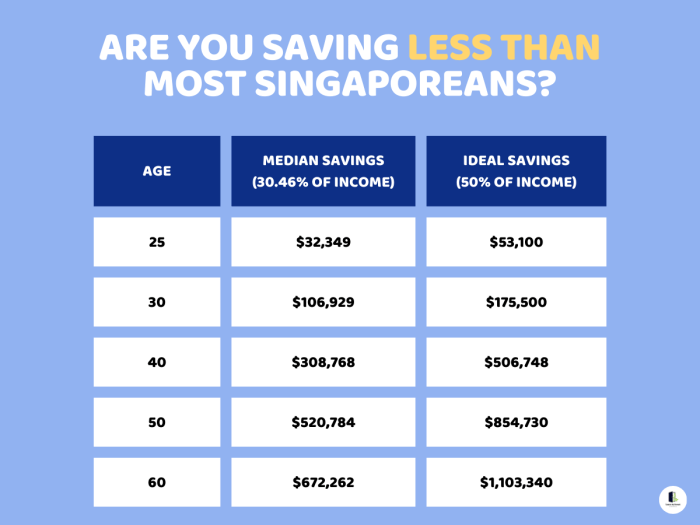
At 23, building a substantial net worth might seem like an unattainable goal, but there are numerous individuals who achieved remarkable financial success in their early twenties. From tech entrepreneurs to investors, these individuals have demonstrated that with determination and the right strategies, anyone can create a significant net worth at a young age. Let’s take a closer look at their stories, financial plans, and the factors that contributed to their success.
Robert Herjavec: From Modest Beginnings to Multi-Millionaire
Robert Herjavec, the founder of Herjavec Group, started his business career as a struggling immigrant with a net worth of just $500. However, through sheer determination and hard work, he built his company into a multi-million-dollar concern. Herjavec attributes his success to his focus on building a strong team, innovative thinking, and an ability to adapt to changing market conditions.
As stated by Robert in one of his interviews, “The ability to execute is more important than the idea itself.” He managed to keep a long-term focus on his goals, avoiding lifestyle inflation, which ultimately led to his remarkable net worth growth.
Grant Sabatier: The Million-Dollar Savings Challenge
Grant Sabatier, a 27-year-old who built a net worth of $1 million in just five years, started by living frugally and investing his earnings. He applied the 50/30/20 rule, allocating 50% of his income towards necessary expenses, 30% towards discretionary spending, and 20% towards saving and investing. By making smart financial decisions and avoiding debt, Sabatier was able to achieve significant net worth growth.
As he emphasizes, “The key is to focus on building wealth over the long-term, rather than relying on short-term fixes.”
Chris Guillebeau: The Art of Non-Conformity and Wealth Creation
Chris Guillebeau, the bestselling author of “The Art of Non-Conformity,” attributes his net worth growth to his willingness to take calculated risks and pursue unconventional opportunities. He invested in real estate, launched profitable side hustles, and created a successful online business, which led to a substantial increase in his net worth. Guillebeau emphasizes the importance of maintaining a long-term focus and avoiding lifestyle inflation, stating, “The key to wealth creation is to focus on building multiple income streams and living below your means.”By analyzing the financial strategies of these successful individuals, we can identify key factors that contributed to their success, such as:
- A long-term focus on financial goals
- Avoidance of lifestyle inflation
- Innovative thinking and adaptability
- Building strong teams
- Making smart investment decisions
- Emphasis on building multiple income streams
Expert Answers: What Should My Net Worth Be At 23
Is a negative net worth normal at 23?
While it’s not ideal, a negative net worth at 23 is not uncommon, especially when considering the weight of student loans and entry-level salaries. It’s essential to focus on creating a plan to gradually build your net worth over time.
What’s the average net worth for a 23-year-old in the US?
The average net worth for a 23-year-old in the US varies depending on the source and method of calculation. However, according to a study by Fidelity Investments, the average net worth for millennials (born between 1981 and 1996) aged 22-27 is around $9,000-$12,000.
Can I still build wealth with a low starting salary?
Absolutely! While a low starting salary may not provide the financial cushion you desire, you can still take steps to build wealth. Focus on creating a budget, investing in yourself through education and training, and exploring ways to increase your income, such as freelancing or starting a side hustle.
Is it better to focus on saving or investing at 23?
It’s essential to strike a balance between saving and investing. Allocate a portion of your income towards emergency savings and debt repayment, and then consider investing in a diversified portfolio, such as low-cost index funds or a Roth IRA.
